
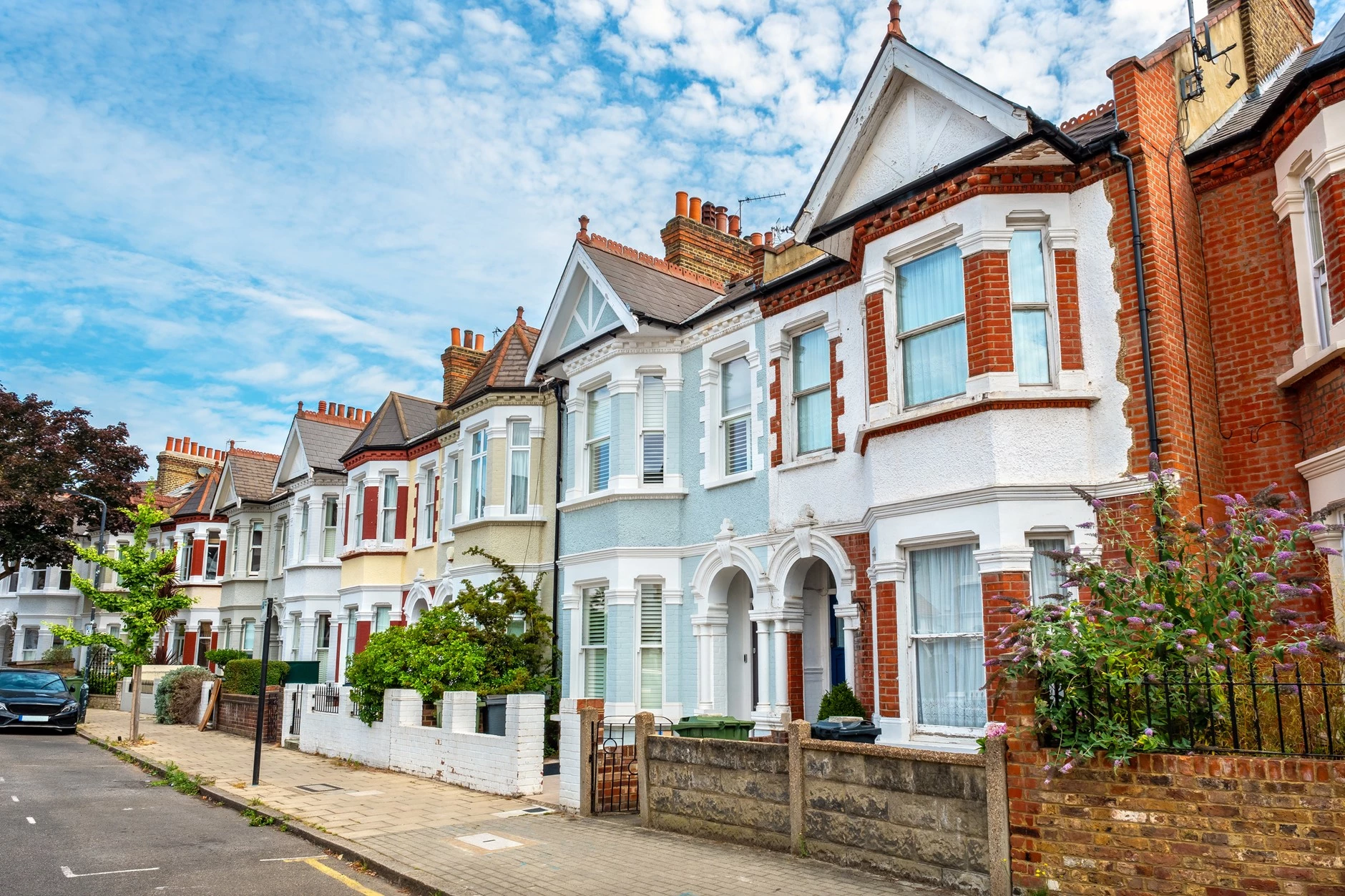
The average asking price of a home in Britain rose in April, increasing by nearly £3,000 compared with the previous month, according to the latest figures from Rightmove. The typical property coming to market is now listed at £373,971, reflecting a 0.8% monthly rise
Although prices moved upward, the pace of growth was slower than the long-term April average of around 1.2%. Rightmove said the spring market is being shaped by a combination of elevated mortgage rates and intense competition among sellers, with the number of homes for sale at its highest level for this time of year in more than a decade.
First-Time Buyers Hold Steady Despite Higher Rates
Rightmove noted that demand from first-time buyers has remained comparatively resilient, suggesting that higher borrowing costs are not deterring new entrants from making enquiries. However, the strongest price growth is coming from the top end of the market, particularly larger four-bedroom homes, where many purchasers are cash buyers and therefore less affected by rising mortgage rates.
Colleen Babcock, property expert at Rightmove, said the market is reflecting wider global uncertainty:
She explained that elevated mortgage rates — influenced in part by geopolitical tensions — are weighing more heavily on segments of the market reliant on borrowing, while higher-value homes are proving more robust. Scotland was highlighted as a standout performer, with average asking prices rising by more than 4%, supported by lower price points and a faster transaction process.
Babcock added that with stock levels at an 11-year high, realistic pricing is essential for sellers hoping to secure a buyer this spring.
Mortgage Market Stabilises After Early-Year Volatility
Matt Smith, Rightmove’s mortgage specialist, said optimism at the start of the year about falling interest rates has faded. While mortgage rates have steadied in recent weeks, they remain elevated, and future movements will depend heavily on upcoming inflation data and the Bank of England’s response.
Some lenders have trimmed rates following declines in swap rates, but analysts expect stability rather than significant reductions in the near term.
Agents Report Caution — But Not Collapse
Across the industry, estate agents describe a market that is cautious but still active.
Marc von Grundherr of Benham and Reeves said geopolitical uncertainty and higher mortgage costs have prompted some buyers to pause, particularly at the upper end of the market, but stressed that confidence has not evaporated. He noted that London often lags behind national trends but tends to recover strongly once momentum returns.
Other agents emphasised the importance of accurate pricing, with buyers increasingly wary of homes that have lingered on the market. Flats, in particular, remain sensitive to overpricing, while family homes in sought-after school catchments continue to attract strong interest and, in some cases, multiple offers.
Scottish Market Remains Resilient
Agents in Scotland report continued strength despite wider economic uncertainty, with the East of Scotland and Inverness performing particularly well.
Rental Market Shows Renewed Momentum
Separate data from Hamptons indicates that the rental sector is also seeing renewed growth. Annual rental price increases on newly-let homes doubled between February and March, rising from 0.5% to 1.0%, bringing the average monthly rent to £1,373.
Hamptons’ head of research, Aneisha Beveridge, said early signs point to a rebound in tenant demand, following a period of falling rents last year. The firm’s index tracks achieved rents rather than advertised prices, offering a clearer picture of real-world market conditions.
Written by Abdul
Source Evening Standard